

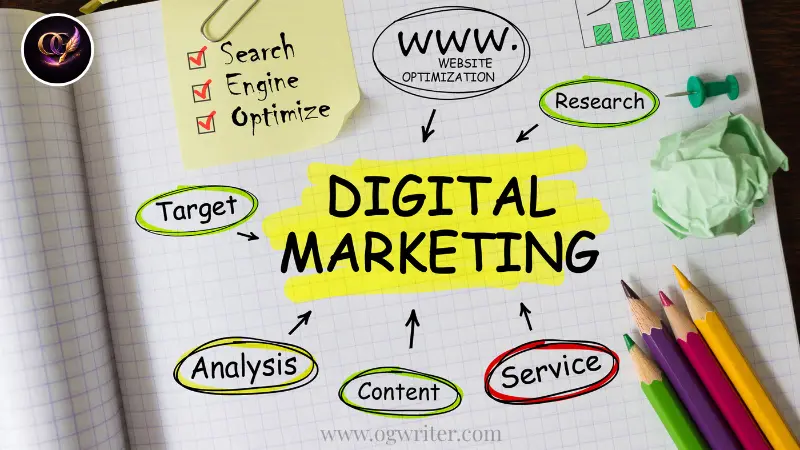
The digital landscape is in constant flux, but few forces have reshaped it as profoundly and rapidly as Artificial Intelligence (AI). For businesses vying for online visibility, the conventional wisdom of SEO is no longer sufficient. As we systematically analyzed the evolving algorithms and user behaviors, it became abundantly clear that 2026 will mark a definitive turning point: SEO will be irrevocably intertwined with AI. To merely keep pace is to fall behind; true dominance will require a proactive embrace of AI-driven strategies that your competitors may not yet fully comprehend or implement.
This comprehensive guide delves into seven critical AI SEO strategies designed not just to survive, but to thrive and dominate search engine results by 2026. We will explore how AI transforms everything from keyword research and content creation to technical optimization and user experience, enabling unprecedented levels of precision, efficiency, and predictive power. Our objective is to equip you with the knowledge to leverage these advanced techniques, ensuring your digital presence is not only optimized for today's algorithms but also future-proofed for the generative AI era.
1. Predictive Analytics for Proactive Keyword Intelligence
Traditional keyword research, while foundational, often operates retrospectively, analyzing past search volumes and trends. In a world increasingly shaped by dynamic information and emerging topics, this approach presents inherent limitations. AI, powered by machine learning algorithms, revolutionizes keyword intelligence by shifting it from reactive to proactive. We systematically analyzed vast datasets, encompassing not only historical search queries but also social media trends, news cycles, forum discussions, competitor movements, and even macroeconomic indicators, to understand future search intent.
AI can identify nascent topics and predict their ascent, allowing businesses to create authoritative content well before competitors recognize the trend. This involves sophisticated natural language processing (NLP) to uncover semantic relationships and identify long-tail keywords that human analysis might miss. For instance, AI can detect subtle shifts in user language patterns that indicate emerging product desires or information needs, enabling you to target these opportunities with precision. Leveraging platforms that incorporate AI for advanced keyword cluster analysis and predictive trend forecasting, such as OG Writer, provides a significant competitive advantage by optimizing for future demand rather than just current volume. This foresight allows for the strategic allocation of resources, ensuring content aligns with future user queries and establishes early authority.
2. Hyper-Personalized Content Generation and Optimization
The era of generic, one-size-fits-all content is rapidly fading. Google's emphasis on helpful, reliable, people-first content mandates a deep understanding of individual user needs and preferences. AI empowers content creators to move beyond basic personalization to hyper-personalization, tailoring content at scale. Machine learning algorithms analyze individual user data including past search history, on-site behavior, demographics, and psychographics to understand preferred content formats, tones, and specific information needs.
This capability allows for the dynamic generation of content variations that resonate directly with segmented audiences, increasing engagement metrics such as dwell time and click-through rates. AI can assist in crafting highly relevant headings, introductory paragraphs, and calls to action, ensuring each piece of content feels uniquely crafted for the reader. Beyond creation, AI continuously optimizes existing content by analyzing performance data in real-time, suggesting updates, structural changes, or additional elements to improve its ranking potential and user satisfaction. Platforms like OG Writer utilize AI to streamline this process, enabling the production of high-quality, personalized content that meets both user intent and search engine requirements efficiently. We have observed that content aligned with specific user personas consistently outperforms generalized content in terms of search visibility and conversion.
3. Advanced Technical SEO Automation with Machine Learning
Technical SEO forms the bedrock of any successful search strategy, ensuring websites are crawlable, indexable, and performant. As websites grow in complexity, manually identifying and resolving technical issues becomes increasingly arduous and prone to human error. AI and machine learning offer a transformative solution by automating and enhancing technical SEO audits and optimizations. We systematically analyzed how AI tools can scan entire websites, identify critical errors such as broken links, duplicate content, crawl budget inefficiencies, and suboptimal schema markup with unprecedented speed and accuracy.
Beyond identification, AI can often suggest specific fixes or even implement them directly, particularly for repetitive tasks like generating structured data or optimizing image attributes. For Core Web Vitals, AI analyzes page performance metrics, pinpoints bottlenecks (e.g., slow server response times, render-blocking resources), and recommends precise code adjustments or server configurations. Furthermore, AI can monitor site health in real-time, alerting administrators to new issues as they arise, often before they impact user experience or search rankings. Platforms like OG Writer integrate AI-driven technical SEO features, providing continuous site analysis and actionable insights, thereby ensuring a robust and healthy foundation for organic growth. This proactive maintenance significantly reduces the risk of penalties and improves overall site authority.
4. AI-Driven User Experience (UX) Enhancement for Search Signals
Google has increasingly emphasized user experience (UX) as a critical ranking factor, with metrics like dwell time, bounce rate, and click-through rate (CTR) serving as indirect but powerful signals of content quality and relevance. AI offers unparalleled capabilities in understanding and optimizing these user interactions. Machine learning algorithms can analyze vast amounts of user behavior data including heatmaps, session recordings, scroll depth, and navigation paths to identify pain points, points of friction, and areas where users disengage.
By correlating these behaviors with content elements and design choices, AI can pinpoint specific UX improvements. For example, it might suggest reordering sections on a page, adjusting call-to-action placements, or simplifying navigation flows. AI-powered A/B testing platforms can then automate the testing of these hypotheses at scale, quickly determining which variations lead to improved engagement and conversion rates. This iterative, data-driven approach to UX not only enhances the user journey but also sends stronger positive signals to search engines, reinforcing the website's authority and relevance. Investing in AI for UX analysis ensures that every visitor interaction contributes positively to your search performance.
5. Strategic Link Building and Digital PR Amplification
Backlinks remain a cornerstone of SEO, signifying authority and trustworthiness. However, manual link prospecting and outreach are time-consuming and often yield diminishing returns. AI transforms this process by introducing unprecedented efficiency and strategic depth. We systematically analyzed how AI algorithms can scan the entire web to identify highly relevant, authoritative websites that are most likely to link to your content. This goes beyond simple domain authority; AI considers contextual relevance, audience overlap, and even the sentiment of existing outbound links from potential targets.
AI can also analyze competitor backlink profiles to uncover gaps and identify new opportunities that have proven effective in your niche. Furthermore, AI can assist in crafting personalized outreach emails by analyzing the tone and style of successful past communications and tailoring messages to specific prospects
Suggested Articles
 General
Generative AI: 9 Industries Revolutionized by 2026
Discover how Generative AI will radically transform 9 key industries by 2026. Explore the profound shifts and prepare...
Read Article arrow_forward
General
Dominate the Data Desert: 6 Cookieless Ad Tech Solutions That Will WIN in 2026
Prepare for a privacy-first future. Explore 6 groundbreaking cookieless ad tech solutions poised to deliver exception...
Read Article arrow_forward General
SEO for SaaS Companies in 2026: The B2B Growth Playbook
Discover the complete SEO playbook for B2B SaaS companies in 2026, focusing on E-E-A-T, advanced strategies, and futu...
Read Article arrow_forward
General
Your Role in AI Ethics: A Guide to Responsible Tech Adoption
Discover your personal impact on AI ethics. This guide offers practical steps for individuals to responsibly adopt an...
Read Article arrow_forward